
Basilica dei Frari
Santa Maria Gloriosa dei Frari · 13th–15th c.
A vast brick Franciscan church that holds Titian's Assumption, his tomb, Canova's pyramid and the wooden choir of the friars who built it — one of the densest single rooms of art in Italy.
History
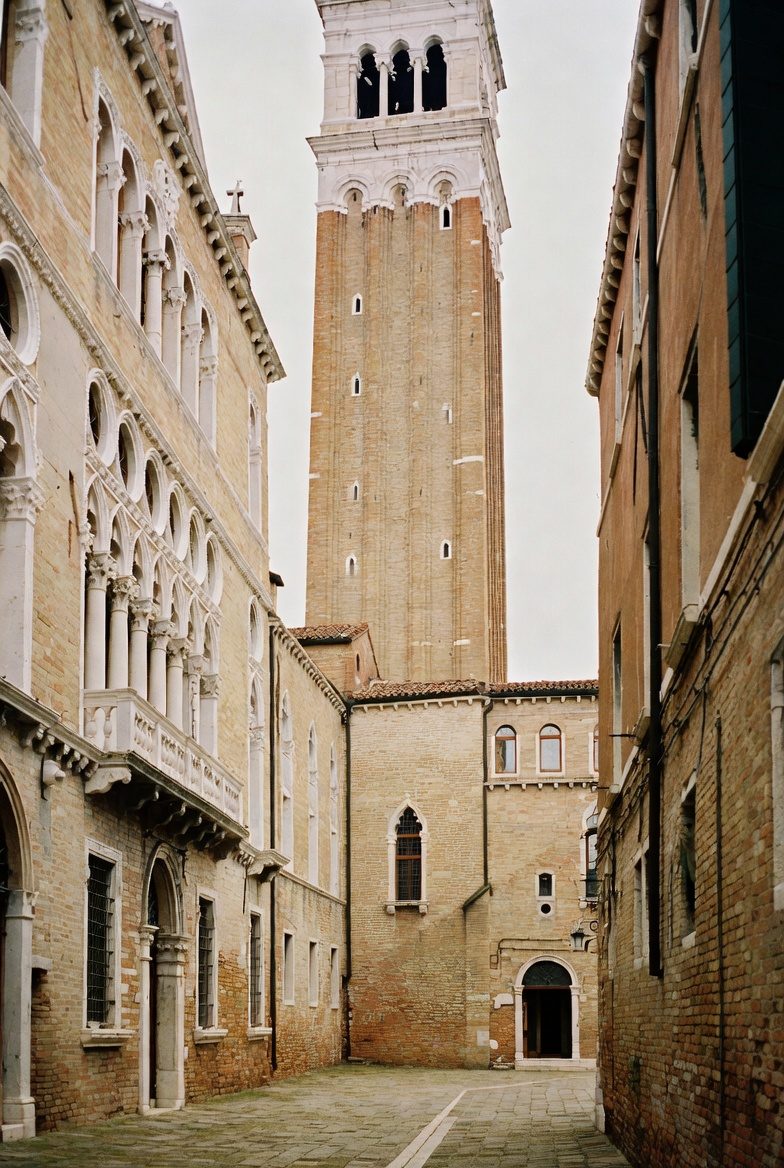
The Franciscan friars — the frari from which the church takes its short name — were given the site in 1227, only a year after the death of Saint Francis. The first small church went up by 1280; the present one, larger and more ambitious, was begun a hundred years later and consecrated in 1492. Brick on the outside, fitted out slowly inside, the basilica is the second-largest church in Venice after San Marco — and at 102 metres long, the longest medieval space in the city.
The high altar is Titian's Assumption of the Virgin (1516–18), still in the position it was painted for: framed in the choir-screen archway, exactly the right distance and height to read at full height from the nave. The friars almost rejected it on delivery — the figures were thought too monumental, the colour too bright — but the Holy Roman Emperor's ambassador offered to buy the rejected canvas on the spot, which decided the matter. It made Titian's career.
Around it: the Pesaro altarpiece (1526), also by Titian, set sideways into the left aisle and famously tilting the saints toward an off-centre Virgin; Giovanni Bellini's triptych of 1488 in the sacristy, hung at its original height; the wooden monks' choir of 1468 by Marco Cozzi, the only major Venetian medieval choir to keep its original screen across the nave; and the tombs of Titian and Canova, facing each other across the nave.
Canova's monument is itself a curiosity: a marble pyramid carved by his pupils in 1827 from a design Canova had drawn up forty years earlier as a never-realised tomb for Titian. Only Canova's heart is buried inside it. Titian's own tomb across the way, by contrast, was added in 1852 — an attempt by the Hapsburg administration to make good on three centuries of Venetian inattention.
Pay the small extra fee for the sacristy. Bellini's triptych is hung at its original height in its original frame — almost the only Renaissance altarpiece in Venice that has never been moved.
Highlights
Titian's Assumption
Still framed by the choir screen exactly as painted — walk slowly down the nave to feel the perspective do its work.
Bellini sacristy triptych
Madonna and saints in original frame and original light, in the room just off the right transept.
Canova pyramid
The neoclassical sculptor designed it for Titian; it ended up holding his own heart instead.
Visit
- Address
- San Polo 3072, 30125 Venezia
- Hours
- 9:00 – 18:00 Mon–Sat; 13:00 – 18:00 Sun
- Notes
- Liturgical use; quieter mornings before 11:00.
- Getting there
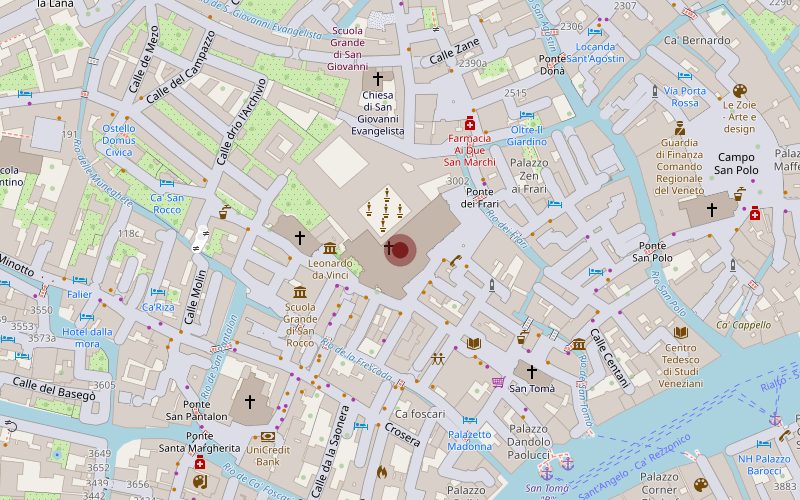
- Vaporetto line 1 to San Tomà, then five minutes through the calli toward the Campo dei Frari.
© OpenStreetMap contributors
See also
Basilica di San Marco
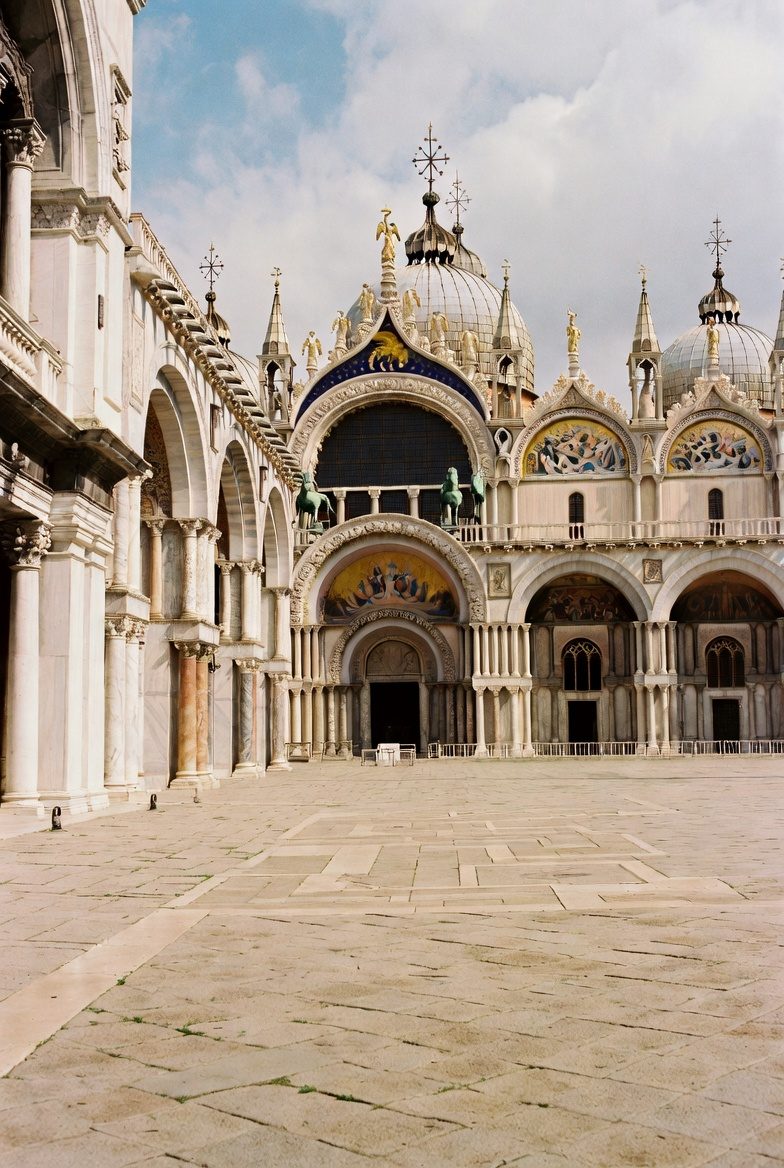
A Byzantine church grafted onto a Venetian piazza, faced in marble looted from a dozen ports, and roofed inside with eig…
Santa Maria della Salute
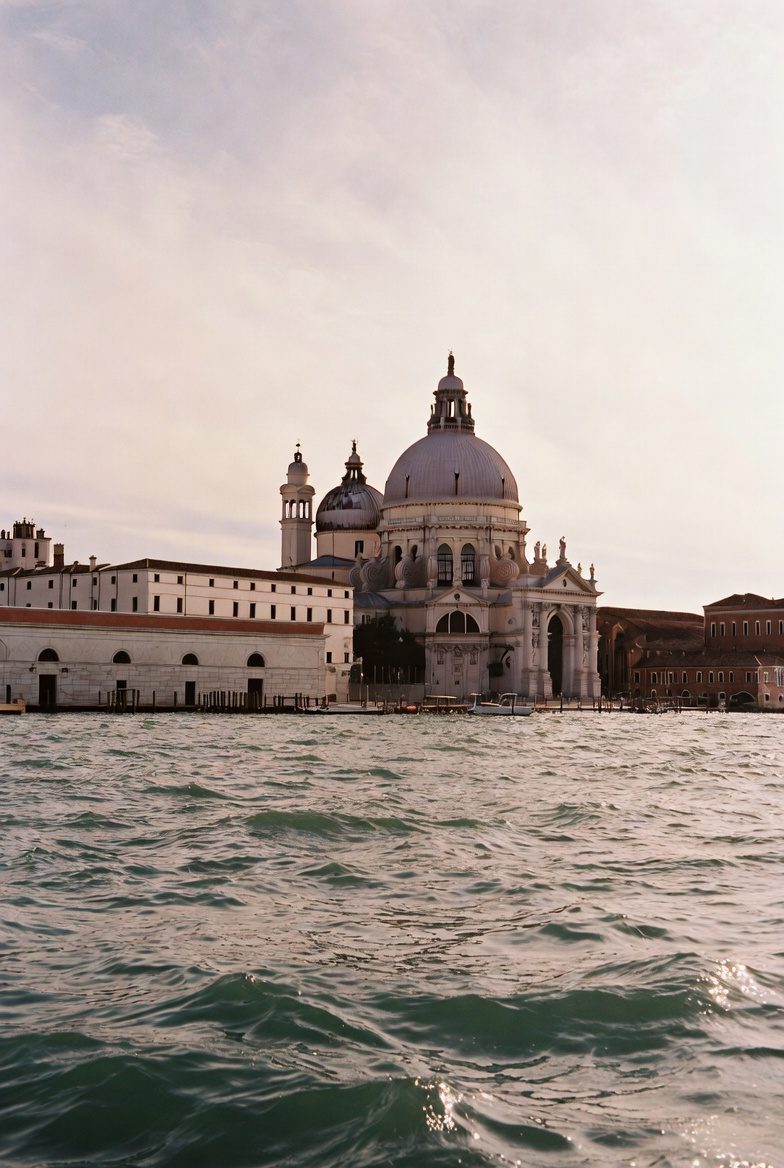
The white octagonal basilica that closes the Grand Canal, raised in thanks for the end of the 1630 plague and held up on…
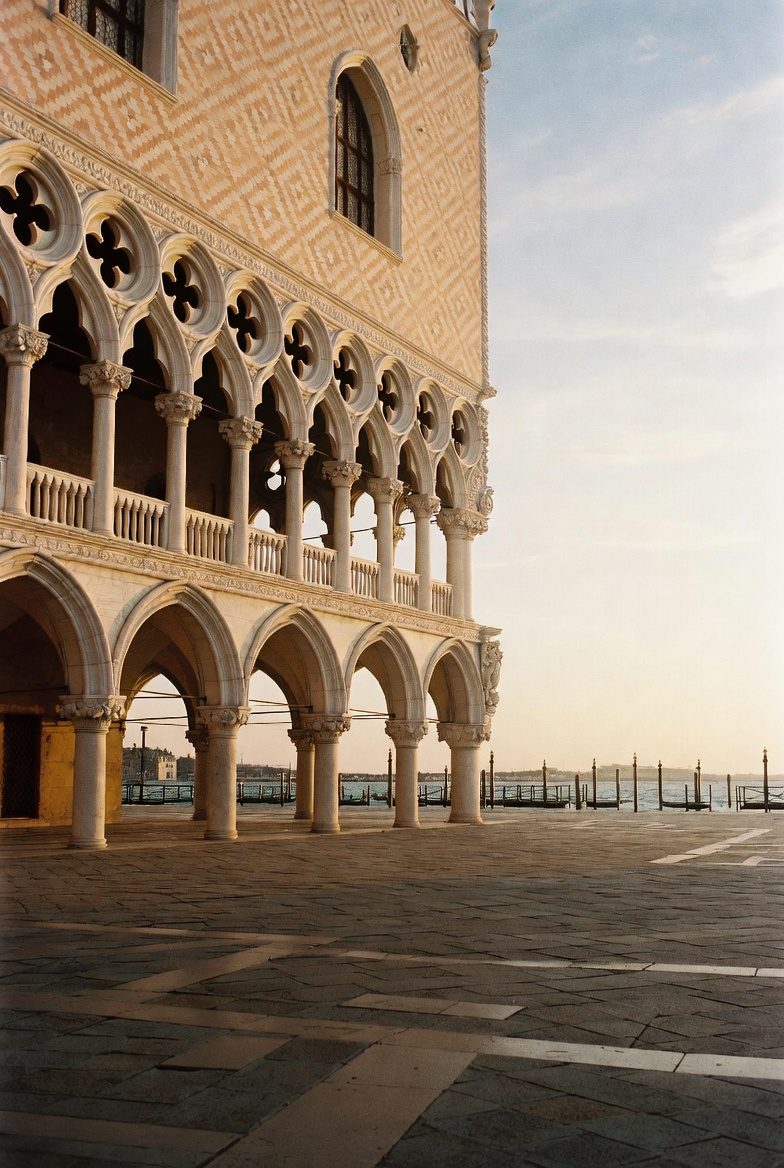
Palazzo Ducale
For nearly a thousand years this was the political centre of the Republic — the doge's residence, the supreme court, the…