
Ca' Rezzonico
Museum of 18th-century Venice · 17th–18th c.
A baroque palazzo by Longhena, finished a century later by Massari, and now a museum whose rooms still feel like a working ducal house — frescoed ceilings, lacquer cabinets, harpsichords with their lids open.
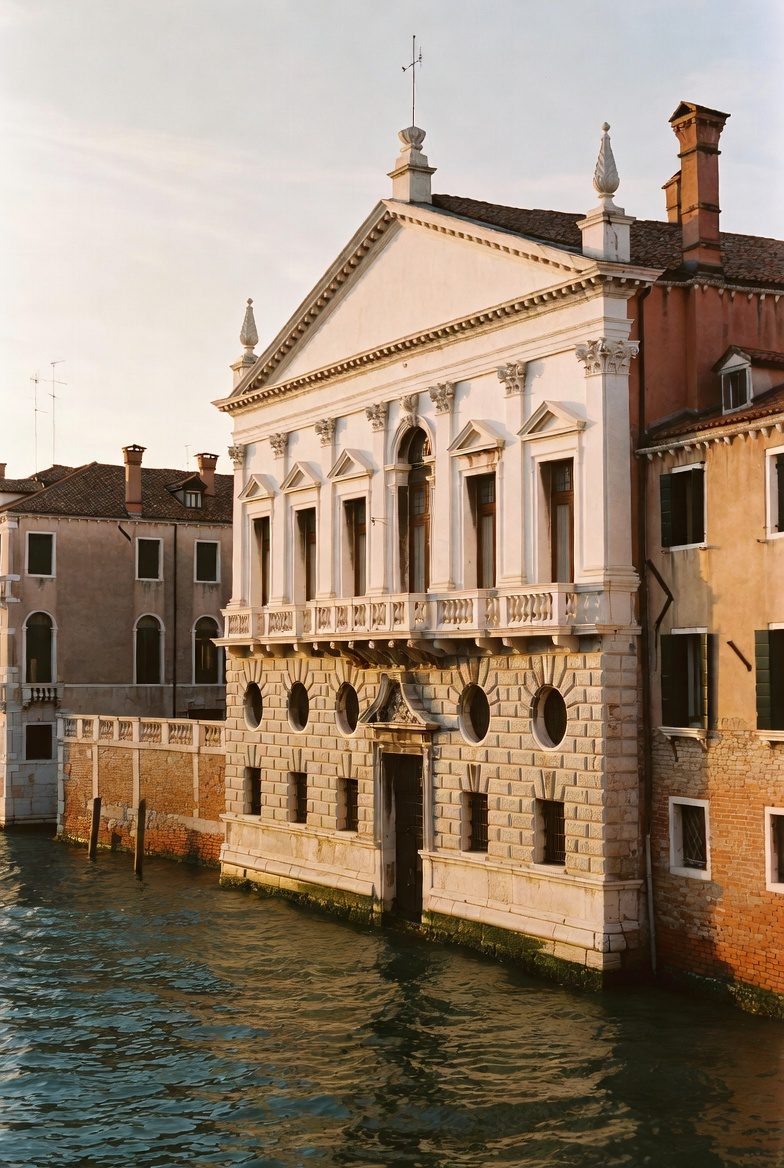
History
Filippo Bon commissioned the palace in 1649 from Baldassare Longhena, the architect of Santa Maria della Salute, who would also begin Ca' Pesaro a few years later — the trio together account for most of monumental Venetian Baroque on the Grand Canal. Longhena died in 1682 with only the lower two floors finished; the Bon could not afford to continue, and the building stood as a half-empty shell for nearly seventy years.
It was bought at auction in 1751 by the Rezzonico, a wool-merchant clan from Como that had paid its way into the Venetian patriciate in 1687. They commissioned Giorgio Massari, by then the leading architect of the late Republic, to finish the palazzo in time for the 1758 wedding that united the Rezzonico with the Savorgnan. Within a few years one of them was elected Pope Clement XIII (1758–1769) — the only Venetian pope of the modern era, and the only one to be crowned wearing a tiara made of jewels donated by his own family.
The Rezzonico held the palace for two generations, then sold off the contents and let the rooms. By the late 19th century the building was effectively a hostel; the poet Robert Browning died here on 12 December 1889, in a guest apartment on the second floor, while staying with his son Pen, who briefly owned the building. A plaque on the canal-side façade marks the spot.
Bought by the city of Venice in 1935 and slowly furnished as the Museo del Settecento Veneziano, the palace now holds Tiepolo ceilings in situ — including the spectacular Allegory of Merit in the throne room — an entire 18th-century apothecary reconstructed downstairs, and the Egidio Martini picture gallery on the top floor.
Climb to the third floor: the Martini gallery is a labyrinth of small rooms hung with Venetian painting from Cima da Conegliano to Pietro Longhi, and is almost always empty.
Highlights
Tiepolo ceilings
The ballroom and the nuptial-allegory ceiling, painted by Giambattista Tiepolo in 1758.
Pietro Longhi rooms
Small genre paintings — the rhino, the masked ball, the parlour at Sant'Apollonia — in cabinet rooms of their own.
The reconstructed pharmacy
An entire 18th-century apothecary moved here piece by piece, with majolica jars still in their original arrangement.
Visit
- Address
- Dorsoduro 3136, 30123 Venezia
- Hours
- 10:00 – 18:00 Wed–Mon (Apr–Oct); 10:00 – 17:00 (Nov–Mar)
- Notes
- Closed Tuesdays.
- Getting there
- Vaporetto line 1 to Ca' Rezzonico, then a 30-second walk along the canal-side fondamenta.
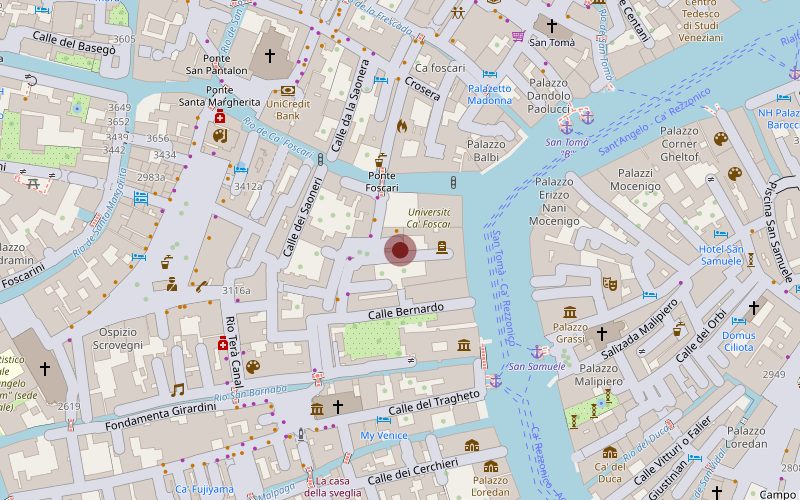
© OpenStreetMap contributors
See also
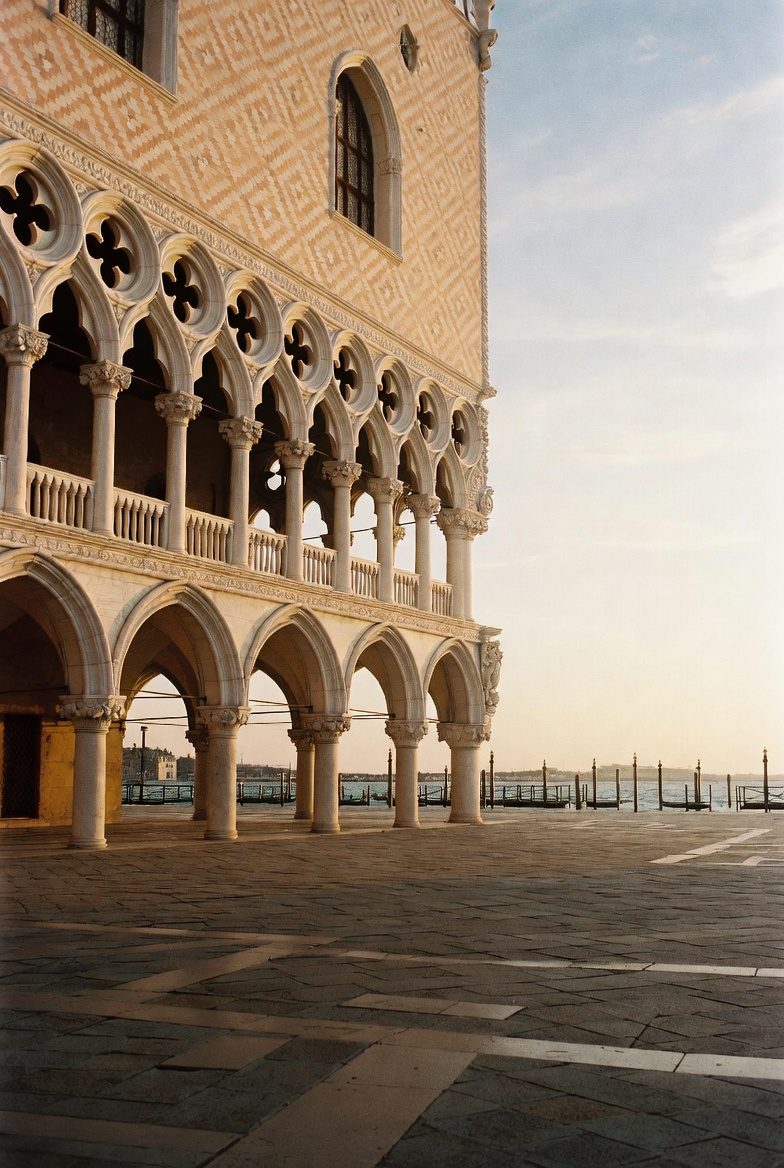
Palazzo Ducale
For nearly a thousand years this was the political centre of the Republic — the doge's residence, the supreme court, the…
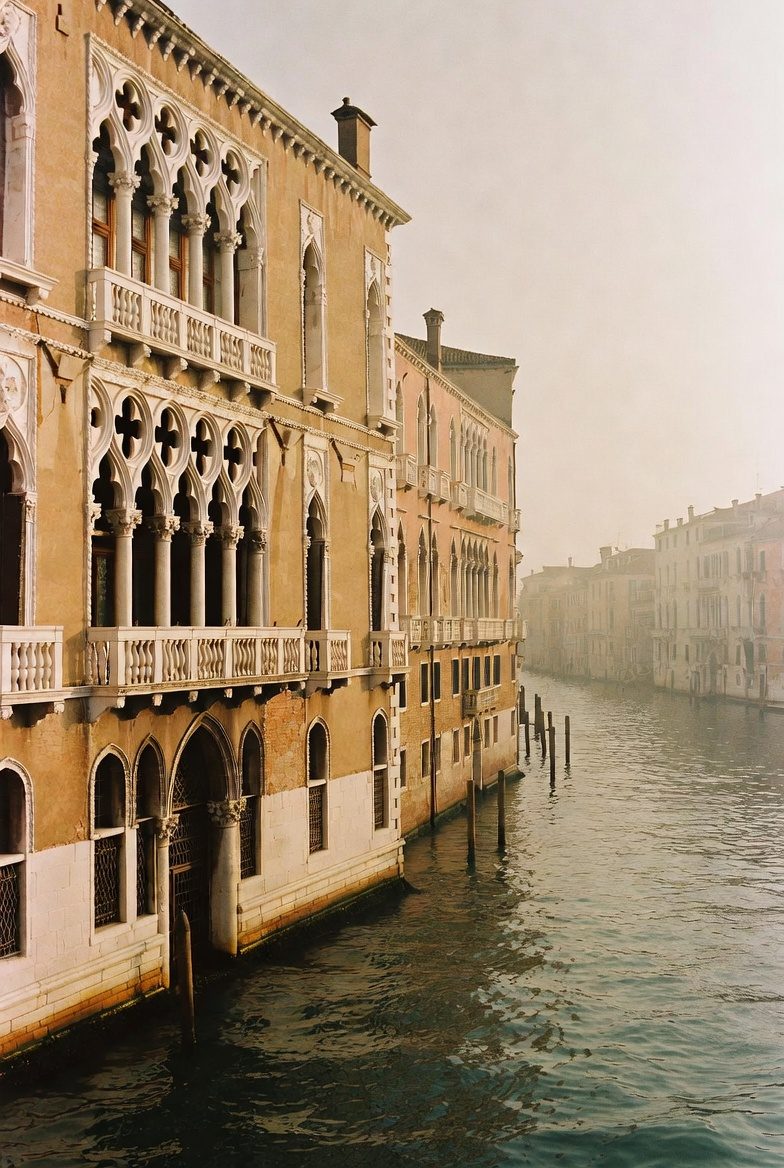
Ca' d'Oro
The most beautiful Gothic façade on the Grand Canal — once gilded leaf by leaf, hence the name, and now the home of a sm…
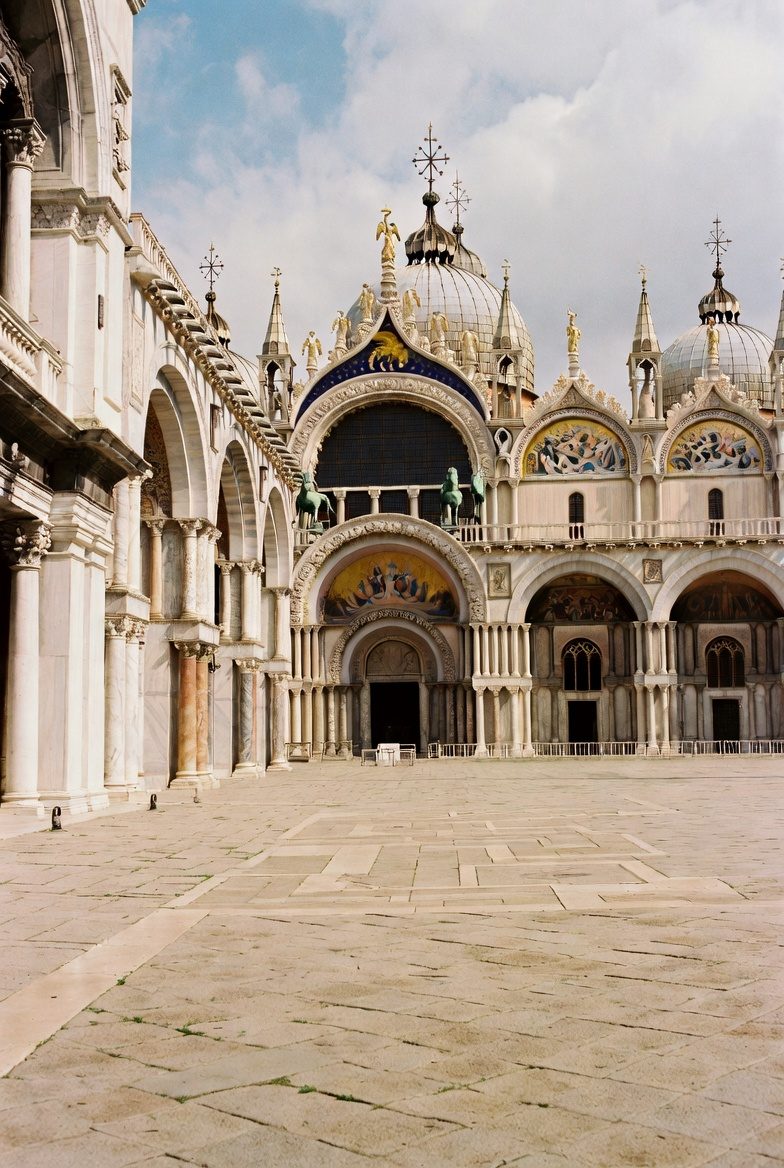
Basilica di San Marco
A Byzantine church grafted onto a Venetian piazza, faced in marble looted from a dozen ports, and roofed inside with eig…